





Content note: This episode includes discussion of addiction and suicide. If you or someone you love is struggling, you are not alone. In the U.S., call or text 988 to reach the Suicide & Crisis Lifeline. For substance use support, call the SAMHSA National Helpline at 1-800-662-4357. Both are free and available 24/7.
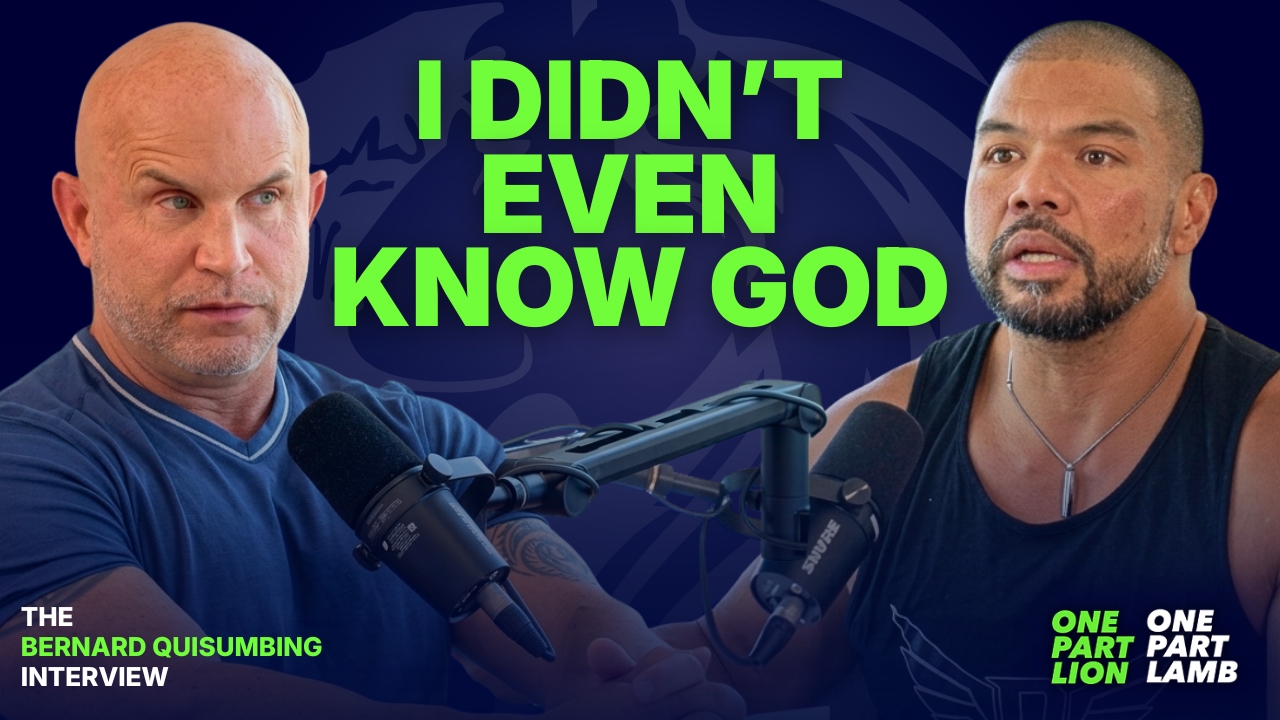
Five failed rehabs. Time in jail. More than 60 people he introduced to meth. Then Bernard Quisumbing prayed to a God he wasn’t sure existed. Twenty years later, he’s sober, and facing the one loss he can’t outwork.
In this episode of One Part Lion, One Part Lamb, Stephen Scoggins sits down with Bernard, a former hip-hop artist, former top-performing car salesman, and fitness and wellness leader with the Don’t Quit Legacy Foundation, for one of the most vulnerable conversations ever shared on the show. Bernard’s addiction recovery story is about more than getting sober. It’s about why high achievers hide, why asking for help is so hard, and how to grieve without giving up.
Bernard Quisumbing is a former hip-hop artist and top-performing car salesman who spent 14 years in active meth addiction before finding lasting recovery. Now more than 20 years sober, he serves as a fitness and wellness thought leader with the Don’t Quit Legacy Foundation, helping others build resilience in body, mind, and spirit.
Bernard traces his story back to age 7, then walks through the 14 years of addiction that followed, including how many people he pulled in with him. He speaks candidly about what families often get wrong about addiction, and what finally changed after five failed attempts at rehab.
Even at his lowest, Bernard was outperforming everyone at work. He and Stephen explore how achievement can become a hiding place, the “never enough” messages so many high performers carry, and why the people who help everyone else often struggle most to ask for help themselves.
Bernard shares a simple question he now asks before speaking to his children: Is this coming from love or fear? He and Stephen also talk about anxiety, isolation, and how empathy can be learned.
Bernard opens up about a loss that no amount of hustle can fix. Drawing on the story of King David, “the beloved,” and his own anger at God, he shares the beginnings of G.R.I.E.F., a framework for grieving well that he’s still building as he walks through it.
Why is it so hard for high achievers to ask for help?
Bernard Quisumbing’s “Two Hands” principle explains that high achievers are used to giving help, not receiving it. Both an inflated ego (“I don’t need help”) and a deflated ego (“I don’t deserve help”) keep them from reaching out.
What do families get wrong about addiction?
Bernard shares what he’s learned about how families respond to addiction, and how loved ones can support recovery without enabling it.
What is the “Love or fear?” question?
It’s a question Bernard asks himself before speaking to his kids, to make sure his words come from love rather than fear, since children carry those words with them.
Where can I get help for addiction?
In the U.S., the SAMHSA National Helpline (1-800-662-4357) offers free, confidential treatment referrals 24/7. If you’re in crisis, call or text 988.
🎧 Listen on Apple Podcasts | Spotify
📺 Subscribe on YouTube: @LionLambWithStephen | @Stephen_Scoggins
Connect with Bernard Quisumbing: Don’t Quit Legacy Foundation | Instagram | Facebook | YouTube
Follow Stephen Scoggins: Website | Instagram | TikTok | Facebook | LinkedIn
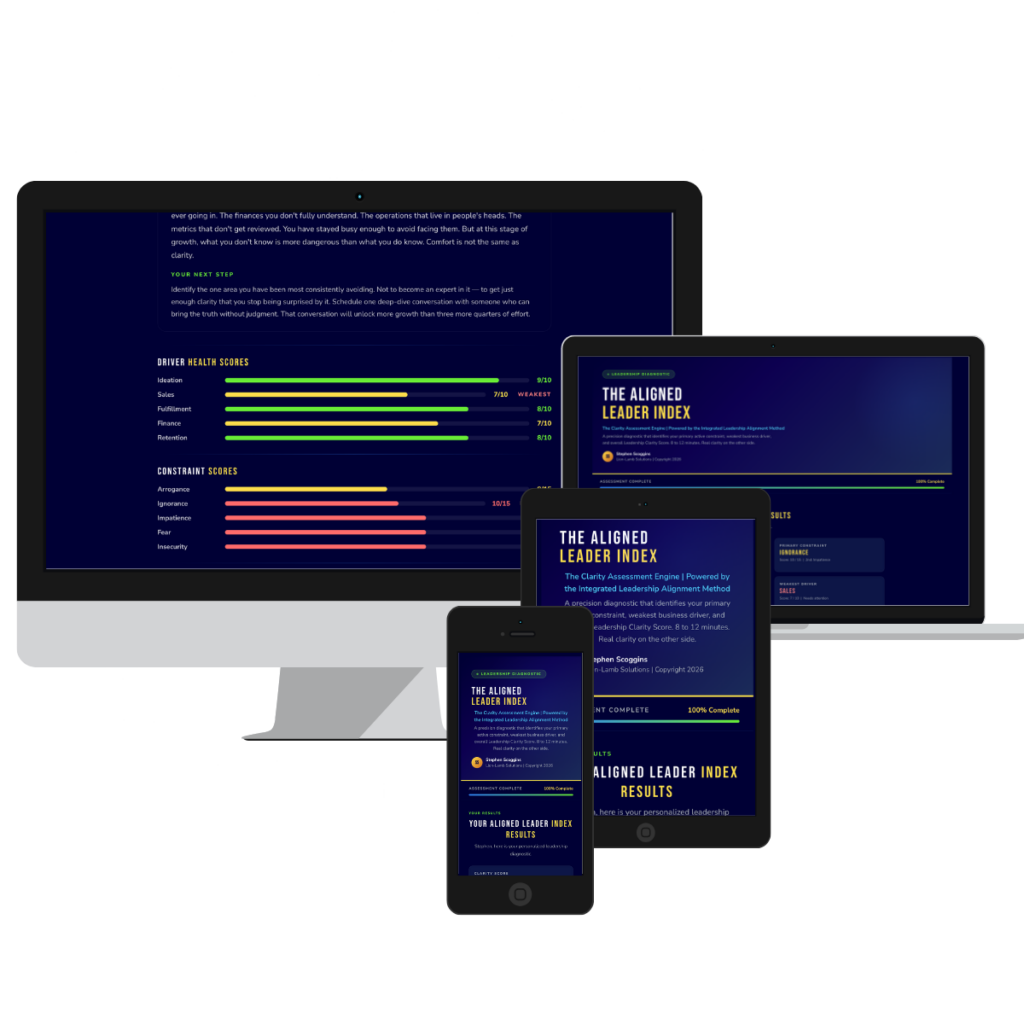
The Aligned Leader Index For High Performers: